JCB: Human-Machine Interface (HMI) Design
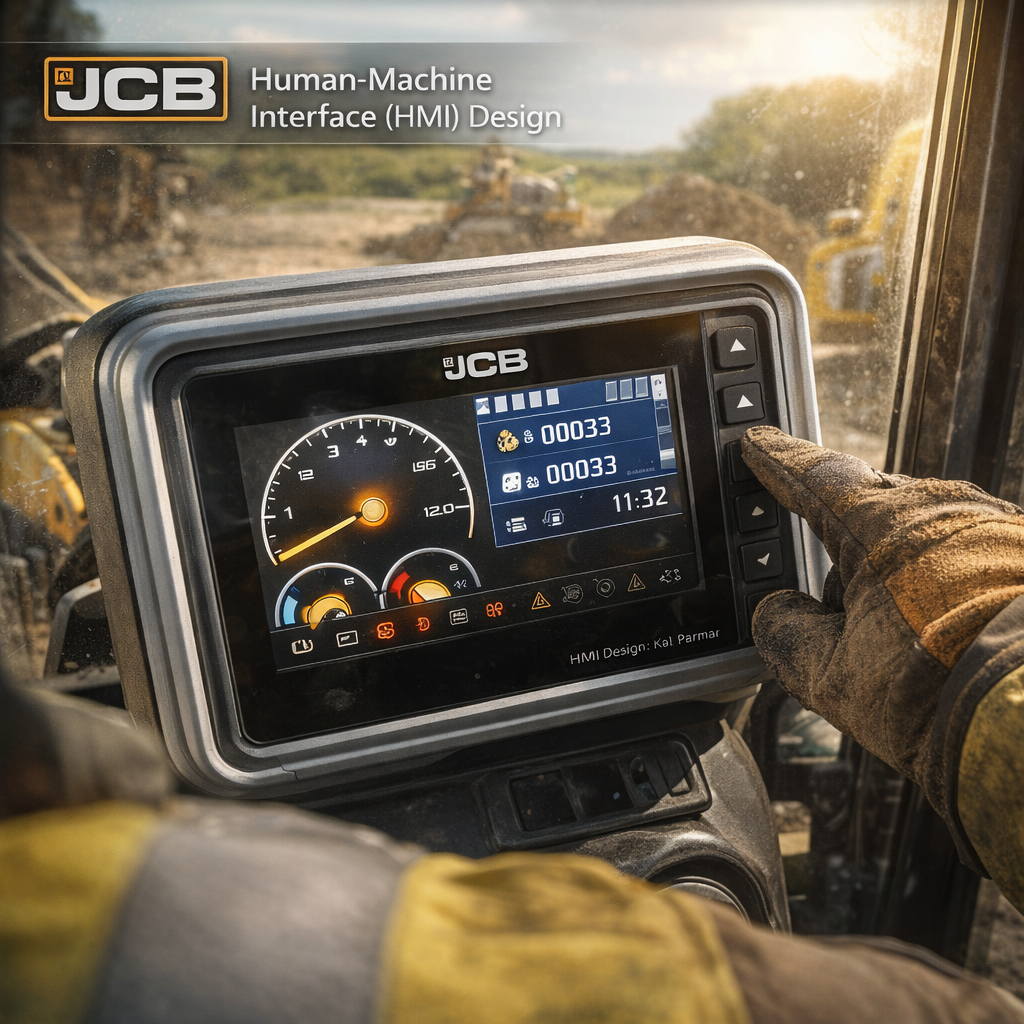
Redefining the operator experience for heavy machinery by creating a unified, high-performance HMI design language for next-generation construction and agricultural equipment.
Who & How
Role: Lead HMI Designer
Duration: 4 Years (Consulting Lead)
Tools: Figma, High-Contrast UI Kits, Tactile Prototyping
Team: Industrial Designers, Hardware Engineers, Field Research Teams
The Challenge & Research
The Problem: Heavy machinery operators work in extreme conditions—intense sunlight, heavy vibrations, and while wearing gloves. Existing interfaces were often information-dense and difficult to read at a glance, leading to increased setup times and cognitive fatigue.
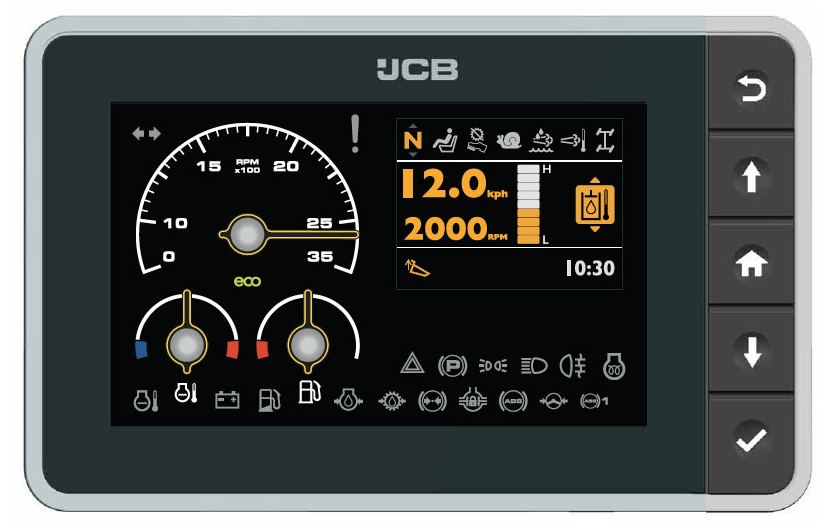
The Insight: I spent time in the field, shadowing farmers and construction crews. I discovered that "glanceability" and iconography that transcends language barriers were mission-critical. I even operated the machinery myself to understand the tactile constraints of touch targets while in motion.
The Solution & Iteration
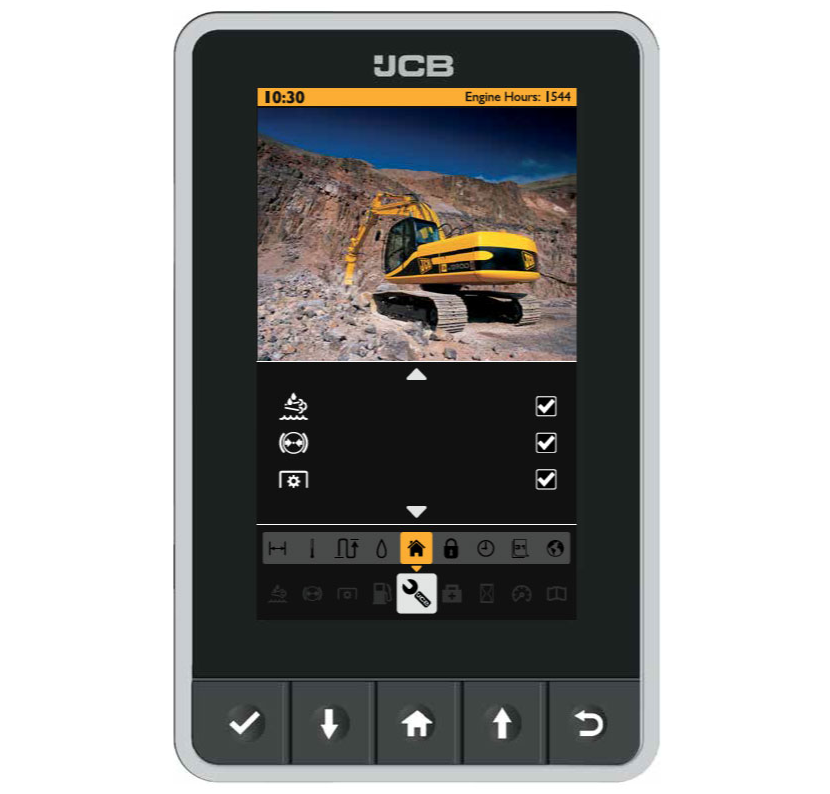
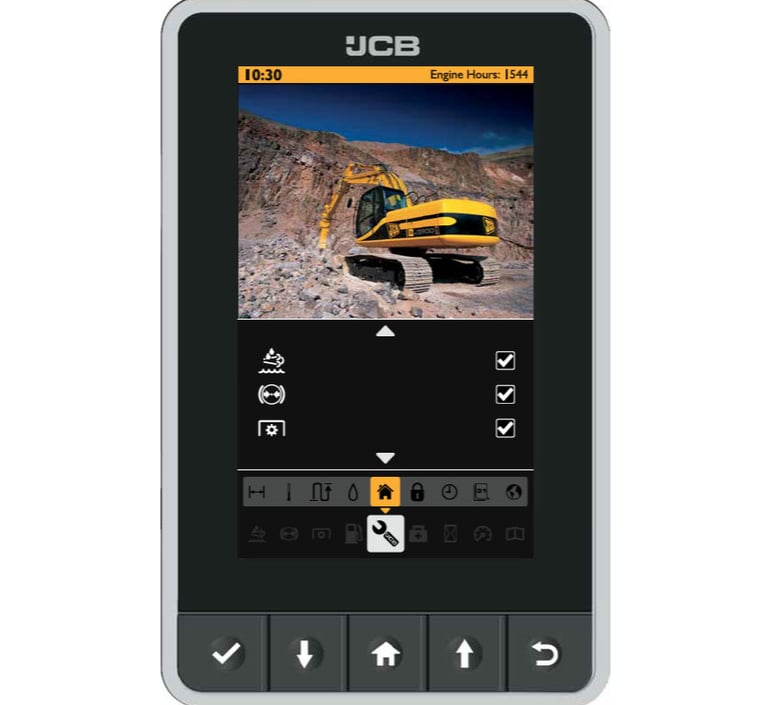
The Execution: I established JCB’s first-ever unified HMI design language. This adaptive system worked across high-spec color displays and low-spec monochrome panels, in both landscape and portrait orientations.
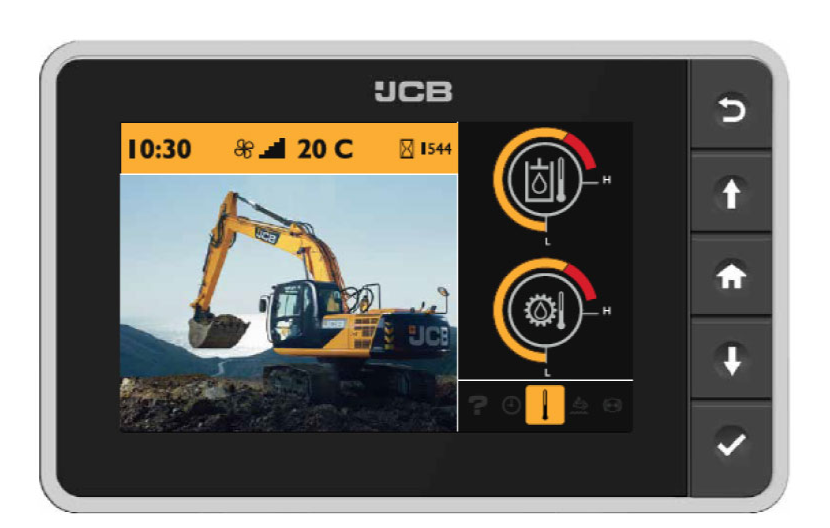
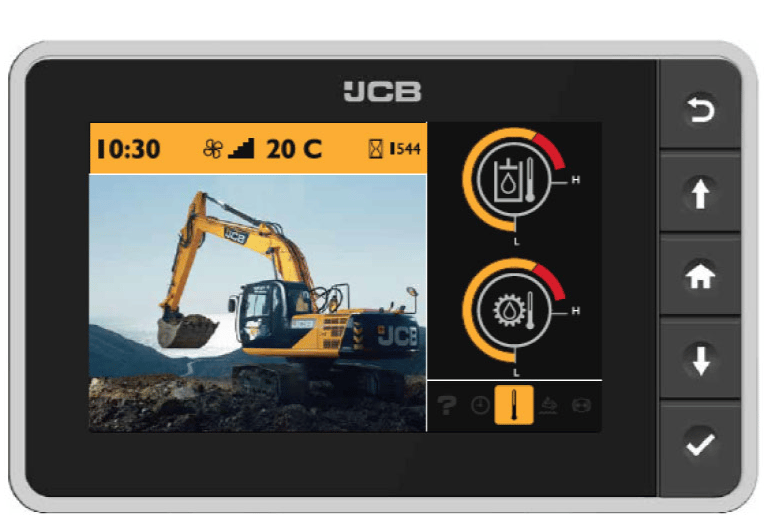
Key Feature: Designed a vibration-tolerant interface with daylight-readable colour palettes. We prioritised safety alerts and simplified complex hydraulic data into intuitive visual gauges that accommodated varying levels of user literacy.
Leadership & Impact
The Strategy: I led the end-to-end UX revolution across the entire product line. This involved creating a robust component library specifically for ruggedised hardware, ensuring consistency from excavators to tractors.
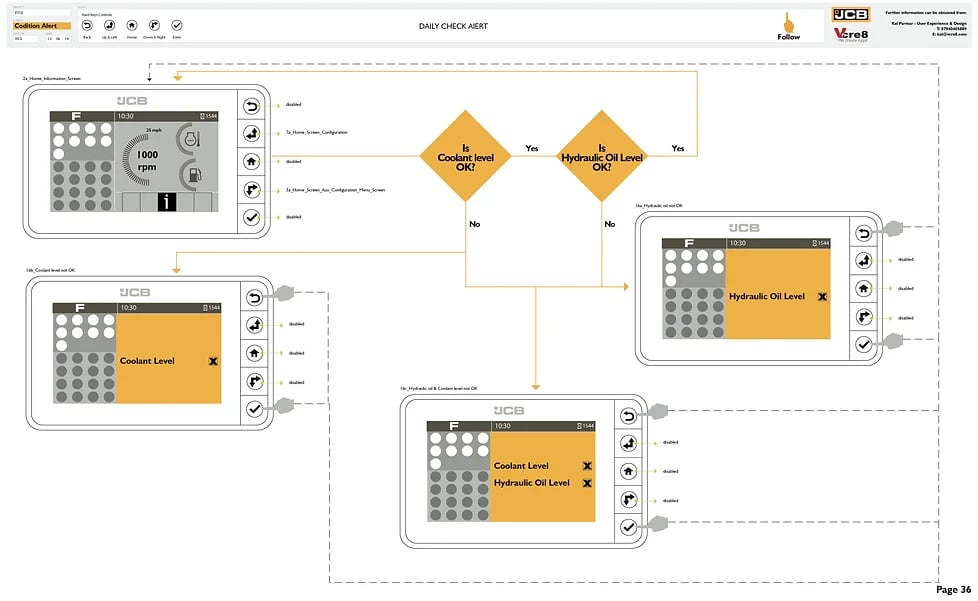
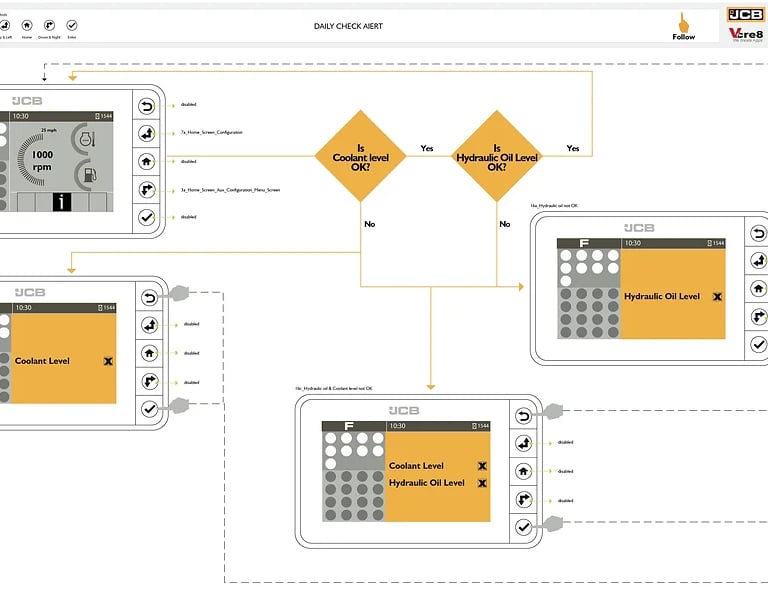
The Outcome: Reduced operator setup time by 40% and significantly decreased the need for manual reference checks. My work established the global HMI standards that JCB uses to maintain its position as a market leader in innovation.

Kal Parmar
Strategic Product Designer with 25 years of experience building high-impact digital ecosystems.
Let’s build the future.
© 2026. All rights reserved.